
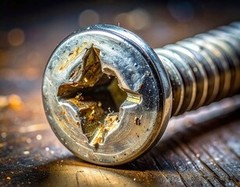
A single damaged fastener can bring an entire assembly line to a halt, and few problems frustrate technicians more than a stripped precision screw that refuses to budge. Whether the drive recess is rounded out or the threads have failed inside the mating part, the result is the same: lost time, potential damage to surrounding components, and a scramble for a workable solution. As a swiss screw machine shop in the Chicago area, we see firsthand how small fasteners carry enormous responsibility in medical devices, electronics, aerospace hardware, and countless other applications.
Understanding why these failures happen is the first step toward preventing them. In this guide, we will walk through the most common causes of a stripped precision screw, the removal methods that actually work, and the practical habits that keep your fasteners intact in the first place.
What Causes a Stripped Precision Screw
Most stripping failures trace back to a handful of avoidable mistakes. The leading culprit is using the wrong driver. A bit that does not match the screw's drive type or size sits loosely in the recess, concentrating force on a few contact points instead of distributing it evenly. That mismatch chews away the drive walls long before the screw ever loosens.
Excessive or uneven torque is another frequent offender. Precision screws are often made from softer materials or feature fine, shallow recesses that tolerate only so much force. Over-torquing can shear threads or deform the head, while applying pressure at an angle rather than straight down causes the bit to cam out and slip. On production floors that run high volumes, repeated automated driving can accelerate this wear if settings drift out of spec.
Material fatigue and corrosion play a quieter but equally damaging role. Screws exposed to moisture, chemicals, or thermal cycling can seize in place, and when someone forces a frozen fastener, the recess gives way before the bond does. Cross-threading during installation also weakens the screw from the start, setting up a failure that may not appear until removal. Recognizing these patterns helps you diagnose whether you are dealing with a one-time error or a systemic process issue.
Proven Methods for Removing a Stripped Screw
When you are facing a stripped precision screw, patience matters more than brute strength. The right approach depends on how badly the head is damaged and how much access you have around the fastener. Starting with the least invasive method protects the surrounding part and gives you the best chance of a clean removal.
A few reliable techniques tend to solve most situations:
- Add grip to the bit. Place a small piece of rubber band or valve-grinding compound between the driver and the recess. The added friction can be enough to catch a partially stripped head.
- Use a screw extractor. These reverse-threaded tools bite into the damaged head as you turn counterclockwise. For tiny fasteners, micro extractor sets are designed specifically for the delicate work precision parts demand.
- Cut a new slot. A rotary tool with a thin cutting disc can carve a fresh straight slot into the head, letting a flat-blade driver take over where the original recess failed.
- Apply penetrating oil. If corrosion or thread-locking compound is the real problem, a penetrant and a few minutes of patience often free the screw with far less risk than forcing it.
When these approaches fall short, drilling out the screw becomes the last resort. This requires a steady hand, the correct drill bit size, and careful attention to avoid enlarging the hole in the host material. For high-value components, it is often wiser to consult a machining professional before drilling, since a damaged thread in an expensive part can cost far more than the fastener itself.
How Screw Machine Manufacturing Reduces Failures
Many stripping problems begin long before a screw reaches the field. The quality of the fastener itself, including recess depth, concentricity, thread consistency, and material integrity, determines how much abuse it can withstand. This is where precision manufacturing makes a measurable difference. A screw machine produces fasteners to tight tolerances, ensuring that each drive recess is formed cleanly and each thread is cut true.
Modern Swiss-style equipment excels at turning small, intricate parts with exceptional accuracy, which is exactly what demanding applications require. Consistent geometry means drivers seat fully and torque transfers as intended, dramatically lowering the odds of a stripped head during assembly.
Material selection matters just as much as machining. Choosing the right alloy or engineered plastic for the operating environment prevents the corrosion and fatigue that doom fasteners over time. A shop that understands both the manufacturing process and the end use can recommend specifications that stand up to real-world stress rather than failing under it.
Prevention Tips That Protect Your Fasteners
The best way to deal with a stripped precision screw is to never create one. Start by matching the driver precisely to the screw's drive type and size, and inspect worn bits regularly, since a rounded driver tip damages recesses just as surely as the wrong size does. On automated lines, verify torque settings at the start of each run and recalibrate equipment on a dependable schedule.
Technique makes a difference even in manual operations. Keep the driver aligned straight with the fastener axis, apply firm downward pressure to keep the bit seated, and drive at a controlled speed rather than racing through assembly. When thread-locking compounds are needed, use the correct grade so that removal later does not require destructive force. For fasteners in harsh environments, specifying corrosion-resistant materials from the outset pays for itself many times over.
Finally, source your fasteners from manufacturers who hold tight tolerances and consistent quality. Inconsistent recess depth or soft, out-of-spec material will undermine even perfect assembly technique. Partnering with experienced screw machine shops gives you confidence that every part performs as designed, batch after batch.
Partner With a Trusted Chicago Manufacturer
Dealing with a stripped precision screw is never convenient, but the problem is largely preventable with the right fasteners, the right tools, and disciplined assembly practices. When removal does become necessary, working from the gentlest method upward protects your components and your schedule. And when quality at the source is the goal, nothing beats parts built to exacting standards from the very first cut.
Precision-Tek Mfg. Inc. provides swiss machining services? in Chicago and produces high-tolerance turned components for manufacturers across many industries. If you are evaluating screw machine shops? and the surrounding areas, we invite you to explore our industries served and see how precision manufacturing can reduce fastener failures in your products.
Whether you need brass, plastic, or specialty metal components built to spec, our team is ready to help you specify fasteners that hold up under real-world demands. Contact us for a quote and let us show you the difference that true precision makes for customers throughout Chicago and nearby communities.