
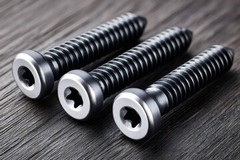
When a component is flying at 35,000 feet, there is no margin for a loose thread or a fastener that drifts even a few thousandths of an inch out of spec. Aerospace assemblies rely on thousands of small parts working together under extreme vibration, temperature swings, and pressure changes, and the humble screw sits at the center of that reliability. That is why precision screws for aero applications are held to some of the most demanding standards in all of manufacturing. For engineers and purchasing teams working with screw machine shops in the Chicago area, understanding what sets aerospace-grade fasteners apart is essential to specifying the right parts the first time.
At Precision-Tek Mfg. Inc. in Arlington Heights, we have spent years machining components where the difference between acceptable and unacceptable is measured in microns. In the sections below, we will walk through what makes aerospace fasteners unique, the materials and tolerances involved, and why accuracy is not a luxury but a requirement.
What Makes Aerospace Fasteners Different
Not every screw is created equal. A fastener destined for a lawnmower and one destined for an aircraft control surface may look similar to the untrained eye, but the engineering behind them could not be more different. Aerospace components must perform flawlessly across enormous environmental stress, from the frigid cold of high-altitude cruising to the intense heat generated near engines and braking systems. They also face constant vibration that can loosen or fatigue a lesser part over time.
Because of these conditions, precision screws for aero applications are engineered with tighter tolerances, superior surface finishes, and traceable material certifications. Every dimension matters, including thread pitch, head geometry, shank diameter, and concentricity. A deviation that would be invisible in a consumer product can create stress concentrations, improper torque distribution, or outright failure in an aircraft. This is the reason aerospace manufacturers partner with machine shops that treat documentation and repeatability as seriously as the cutting itself.
The Role of Tolerances and Accuracy
Accuracy in aerospace machining is about more than hitting a single target dimension. It is about consistency across an entire production run, so that the ten-thousandth part matches the first with no meaningful variation. When tolerances are specified in ranges as tight as a few ten-thousandths of an inch, the machinery, tooling, and inspection processes all have to be aligned around that goal.
Consider how a threaded fastener behaves under load. If the thread form is even slightly off, the mating surfaces will not seat correctly, and the clamping force the engineer designed for will not be achieved. Over thousands of flight cycles, that small error compounds into a real safety concern. This is why producing precision screws for aero use requires calibrated equipment, careful process control, and in-process measurement rather than inspection only at the end. The goal is to catch any drift before it becomes a defect.
Our team takes pride in the discipline this demands. You can learn more about how we approach screw machine products manufacturing and the quality systems that support it. The emphasis is always on getting it right every time, not just most of the time.
Materials That Meet the Mission
Material selection is a critical part of the equation. Aerospace fasteners are often machined from high-strength alloys that can withstand corrosion, fatigue, and temperature extremes without losing structural integrity. Titanium is prized for its excellent strength-to-weight ratio, which helps reduce overall aircraft weight and improve fuel efficiency. Stainless steel grades offer corrosion resistance and strength, while certain aluminum alloys serve weight-sensitive applications where loads are more moderate.
Beyond the metal itself, surface treatments and coatings play a major role in longevity. Platings and finishes protect against galling, corrosion, and wear at the thread interface. Each material also machines differently, which means tooling, feeds, speeds, and coolant strategies must be adapted to the specific alloy. A shop experienced in the full range of materials, including specialty metals and even brass part manufacturing, brings valuable versatility to aerospace projects that often involve mixed assemblies and varied component requirements.
Traceability and Quality Control
In aerospace, the story of a part does not end when it leaves the machine. Traceability is a defining feature of the industry. Manufacturers must be able to document where the raw material came from, how it was processed, what inspections it passed, and who handled it along the way. If an issue ever arises in the field, this documentation allows engineers to trace affected parts back to their source quickly and precisely.
Quality control for precision screws for aero components involves multiple layers of verification. Dimensional inspection confirms that every critical feature falls within tolerance, while visual and surface checks catch finish imperfections that could compromise performance. Many aerospace programs also require statistical process control to demonstrate that a production run is stable and capable over time. This rigor protects everyone, from the manufacturer to the airline to the passengers who trust that each component will hold.
We serve demanding sectors across many fields, and you can explore the range of industries we serve to see how our quality-first philosophy translates across applications. Whether a part flies, drives, or powers equipment on the ground, the commitment to accuracy remains the same.
Why a Local Partner Matters
Working with a nearby manufacturing partner offers advantages that go beyond convenience. Clear communication, faster feedback cycles, and the ability to review prototypes and first articles without long delays all contribute to smoother programs. For aerospace customers in Chicago and the surrounding areas, having a trusted local shop means engineering questions get answered quickly and production stays on schedule.
Choosing the right manufacturer for precision screws for aero applications comes down to a few key considerations:
- Proven experience machining tight-tolerance fasteners from aerospace-grade materials
- Robust inspection and documentation practices that support full traceability
- Consistent, repeatable results across large production volumes
- Responsive communication and the capacity to meet demanding timelines
A partner who checks these boxes becomes an extension of your own engineering team. That relationship pays dividends when specifications evolve, when deadlines tighten, and when a project demands the kind of reliability that only comes from experience and discipline.
The Bottom Line on Accuracy
Precision is not an abstract ideal in aerospace manufacturing. It is the foundation on which safe, dependable flight is built. From the alloy chosen to the final dimensional check, every step in producing precision screws for aero use is designed to eliminate variation and guarantee performance under the harshest conditions. The small size of these fasteners belies their enormous importance to the systems they hold together.
For teams across Chicago and neighboring communities, partnering with a shop that understands the stakes makes all the difference. We invite you to review our capabilities and see how our dedication to quality supports aerospace and other high-reliability industries. If you have a project that demands exacting tolerances and trustworthy documentation, reach out to our team at Precision-Tek Mfg. Inc. to discuss your requirements and request a quote. Accuracy is what we do, and we would be glad to put it to work for you.