
A single stripped screw can bring an entire assembly to a halt, and when that fastener is the size of a grain of rice, the stakes climb even higher. In precision manufacturing, small fasteners hold together everything from medical instruments to electronic enclosures, and one damaged head can threaten an expensive component. Learning how to properly use precision screw extractor tools is one of the most valuable skills a technician can develop, and as a swiss machine shop in Chicago, we see firsthand how often a careful extraction saves a part that would otherwise be scrapped.
The good news is that removing a stubborn or broken fastener does not have to mean drilling out the whole workpiece. With the right tool, a steady approach, and a bit of patience, even the most frustrating screw can come free without collateral damage. This guide walks through what these extractors do, how to use them safely, and the small habits that protect both the tool and the part.
What a Precision Screw Extractor Actually Does
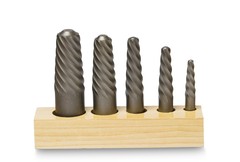
A screw extractor is a hardened tool designed to grip and reverse a fastener that can no longer be turned by a conventional driver. Where a standard extractor handles larger bolts, a precision version is built for the tiny machine screws and set screws common in tight assemblies. These extractors typically feature reverse-cut flutes or tapered spiral threads that bite deeper into the fastener as you turn counterclockwise, converting your rotation into a firm grip rather than slipping across a rounded head.
The reason precision matters so much comes down to scale. A miniature fastener leaves almost no margin for error, and the surrounding material is often thin, soft, or finished to tight tolerances. A clumsy approach can crack a housing, enlarge a threaded hole, or snap the extractor itself inside the screw, which creates a far harder problem to solve. Understanding the tool before you touch it is the first step toward a clean result.
Preparing the Workpiece Before Extraction
Rushing is the most common cause of a failed extraction. Before any tool meets the fastener, take a moment to stabilize the part and understand exactly what you are working with. Secure the workpiece in a vise or fixture so it cannot shift mid-turn, and clean away any debris, corrosion, or thread-locking compound that may be adding resistance. A quick application of penetrating oil, allowed to sit for several minutes, often loosens a fastener enough to reduce the force you need later.
Lighting and magnification are underrated allies here. Small fasteners hide their damage, and a magnified view helps you judge whether the head is merely stripped or already fractured. If the screw is broken flush with the surface, you will usually need to create a small pilot divot or drill a shallow starter hole so the extractor has somewhere to seat. When you use precision screw extractor tools on broken fasteners, that pilot hole must be centered carefully, because an off-center bite can widen the problem instead of solving it.
Step-by-Step: Safe Extraction Technique
Once the part is prepared, the extraction itself follows a consistent rhythm. The key is slow, deliberate pressure rather than brute force. The following sequence keeps the process controlled from start to finish:
- Select an extractor sized to the fastener, erring toward a snug fit rather than one that is too large for the head or pilot hole.
- Seat the extractor firmly into the damaged head or pilot divot, keeping it aligned straight along the fastener axis.
- Apply steady downward pressure while turning counterclockwise, letting the flutes bite before you increase torque.
- Stop at the first sign of binding, reapply penetrating oil, and allow it to work before continuing.
- Back the fastener out gradually, cleaning the threads as they emerge to avoid re-seizing.
Throughout the process, keep your force in line with the fastener. Side loading is what snaps extractors and cams out heads. If the screw refuses to budge after reasonable effort, resist the urge to muscle it. A broken extractor made of hardened steel is extremely difficult to remove and can ruin a component entirely. Knowing when to pause and reassess is as important as any single turn of the wrist.
Protecting the Part and the Tool
The goal of any extraction is to recover the fastener without harming the part around it, and that priority shapes every choice you make. Heat can be a quiet threat in precision work, so avoid generating excessive friction that might distort a thin wall or affect a heat-sensitive finish. When the surrounding material is soft, such as brass or aluminum, the extractor can gouge easily, so lighter pressure and sharper tools make a meaningful difference. Our experience with brass part manufacturing in Chicago has shown us that softer metals reward a gentle, patient hand far more than aggressive torque.
Tool care matters just as much. Extractors dull over time, and a worn tip is more likely to slip and create the very damage you are trying to avoid. Inspect the extractor before each use, keep a range of sizes on hand so you are never forced to make do with a poor fit, and replace any that show chips or deformation. Proper hand tool safety and a small investment in good tooling pay for themselves the first time they rescue an otherwise unrecoverable part.
When to Call in Professional Machining Help
Some fasteners are simply beyond the reach of hand tools. A screw sheared deep inside a precision bore, a broken extractor lodged in a component, or a thread that has galled into the surrounding metal may require specialized equipment such as EDM or precision drilling. Recognizing these situations early protects the value of the part and saves hours of frustration. When you have attempted to use precision screw extractor methods and the fastener still will not release, stepping back to let a machine shop handle it is often the smarter and more economical decision.
This is where professional capability becomes invaluable. A well-equipped shop can center a fastener with far greater accuracy than any freehand effort, and it can often salvage a part that appears hopeless. For manufacturers across Chicago and the surrounding areas, having a trusted partner for both difficult extractions and precision component production removes a lot of uncertainty from the production process. You can learn more about the range of work we handle through our screw machine products manufacturing.
Building Confidence With Small Fasteners
Mastering fastener extraction comes down to a handful of durable principles: prepare the workpiece thoroughly, match the tool to the task, apply controlled force, and know the limit of what hand tools can accomplish. The ability to use precision screw extractor tools correctly protects your parts, your schedule, and your budget, especially in environments where components are too valuable to replace casually. Each successful extraction also builds the judgment that tells you when to keep going and when to hand the job off.
Whether you are maintaining your own equipment or producing high-tolerance components at scale, the same mindset applies. Precision work rewards patience and respects the material. For manufacturers who need reliable swiss machining services in Chicago and neighboring communities, our team is ready to help with both complex parts and the tricky recovery jobs that standard tools cannot handle. Reach out through our website for a quote or to talk through a challenge you are facing on the shop floor.